Decoding Food Labels in 2026: Your Ultimate Grocery Guide
Advertisements
Decoding food labels in 2026 involves understanding updated nutritional guidelines, identifying hidden sugars and unhealthy fats, and recognizing misleading marketing claims to empower consumers in making healthier grocery choices.
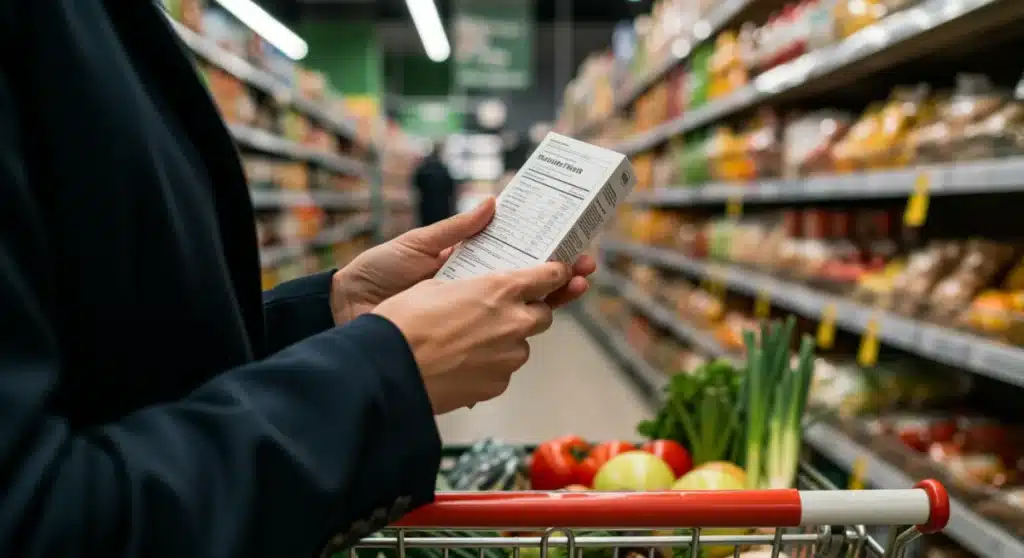
Navigating the grocery store aisles in 2026 can feel like a complex puzzle, especially when trying to make genuinely healthy choices. The key to unlocking this puzzle lies in skillfully decoding food labels. This comprehensive guide will equip you with the practical solutions and insider knowledge needed to confidently read and understand what’s truly in your food, transforming your shopping experience and empowering you towards a healthier lifestyle.
Advertisements
understanding the basics of the nutrition facts panel
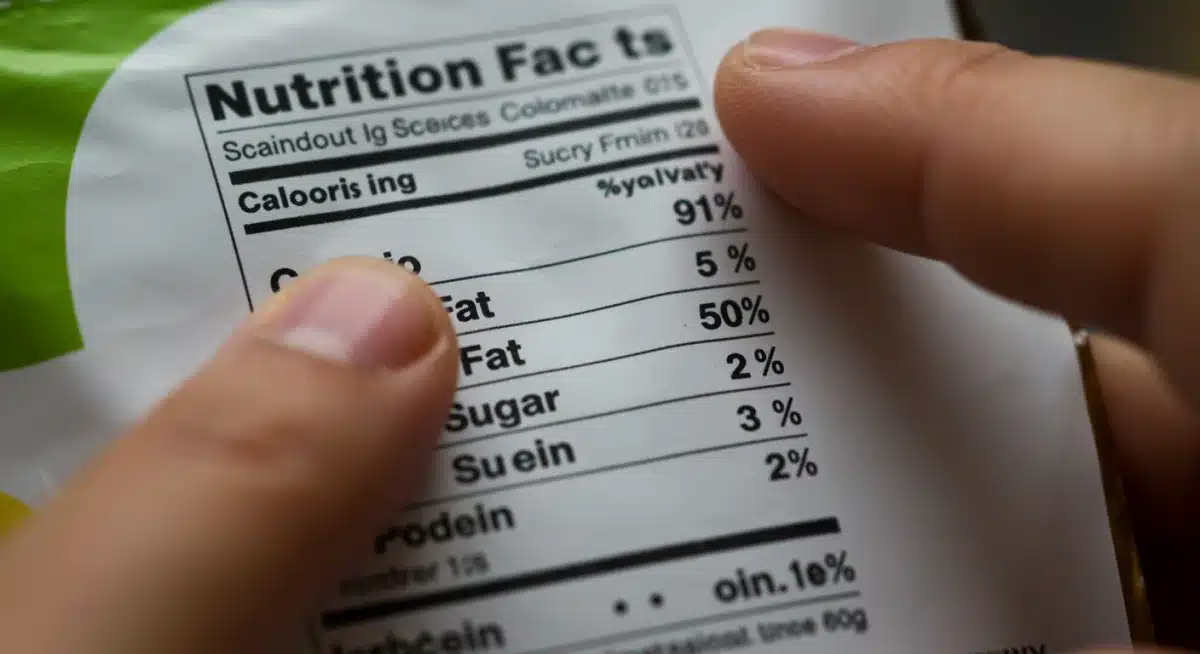
The Nutrition Facts Panel remains the cornerstone of food labeling, providing a standardized snapshot of a product’s nutritional content. While its core structure is familiar, 2026 brings refinements and increased emphasis on certain nutrients, making it crucial to re-familiarize yourself with its intricacies. This panel is designed to help you compare products and manage your dietary intake effectively.
Understanding the panel starts with serving size and servings per container. These are often overlooked but dictate all other nutritional values listed. A product might seem low in calories or sugar, but if a single package contains multiple servings, your actual intake could be significantly higher.
serving sizes and daily values
Serving sizes are standardized, making it easier to compare similar products. However, they don’t always reflect what people actually eat. Pay close attention to how your typical portion compares to the listed serving size.
- Serving Size: The amount of food typically eaten in one sitting, expressed in common household measures and metric units.
- Servings Per Container: The total number of servings in the entire package.
- Daily Value (DV): A reference amount for nutrients to help consumers see if a serving of food contributes a lot or a little to a daily diet. Generally, 5% DV or less is low, and 20% DV or more is high.
The Daily Value percentages are critical for quickly assessing nutrient density. For instance, aiming for lower DVs in saturated fat and sodium while seeking higher DVs in fiber and certain vitamins can guide healthier choices. These percentages are based on a 2,000-calorie daily diet, so individual needs may vary.
In essence, the Nutrition Facts Panel is your primary tool for understanding the macronutrient and micronutrient composition of your food. By carefully interpreting serving sizes and daily values, you can begin to make more informed decisions about what you put into your body.
deciphering ingredient lists: what to look for and avoid
The ingredient list provides the most direct insight into what a food product is made of. Ingredients are listed in descending order by weight, meaning the first few ingredients make up the largest proportion of the product. This section is where many manufacturers attempt to hide less desirable components, often using multiple names for the same substance.
Beyond simply reading the names, it’s essential to understand common aliases for sugars, unhealthy fats, and artificial additives. This knowledge empowers you to look beyond the marketing claims and truly evaluate the product’s quality.
hidden sugars and unhealthy fats
Sugar, in particular, has many disguises. Manufacturers often use multiple forms of sugar, each listed separately, to keep any single sugar ingredient from appearing high on the list. This tactic can make a product seem less sugary than it truly is.
- Common Sugar Aliases: High-fructose corn syrup, corn syrup, dextrose, fructose, glucose, sucrose, maltose, molasses, agave nectar, turbinado sugar, fruit juice concentrate.
- Unhealthy Fats: Trans fats (partially hydrogenated oils) are largely phased out but still worth watching for. Saturated fats, while not entirely avoidable, should be consumed in moderation.
- Artificial Additives: Look out for artificial colors (e.g., Red 40, Yellow 5), artificial flavors, and certain preservatives (e.g., BHA, BHT), as some individuals may be sensitive to them.
By understanding these common aliases, you can quickly identify products that contain high amounts of added sugars or unhealthy fats, even if they aren’t immediately obvious. The goal is to prioritize products with shorter ingredient lists and recognizable, whole-food ingredients.
The ingredient list is a direct window into the composition of your food. A discerning eye for hidden sugars and undesirable additives will significantly improve your ability to select healthier options, ultimately contributing to a more wholesome diet.
understanding marketing terms and health claims
Food packaging is a battlefield of marketing terms, each designed to grab your attention and suggest health benefits. In 2026, regulations continue to evolve, but many terms remain vague or misleading. It’s crucial to understand that a marketing claim on the front of a package doesn’t always reflect the overall nutritional quality of the product.
Terms like “natural,” “healthy,” “light,” and “sugar-free” often come with specific legal definitions, but these definitions might not align with your personal understanding of what constitutes a truly healthy food. Always cross-reference these claims with the Nutrition Facts Panel and the ingredient list.
deciphering common health claims
Some claims are regulated by the FDA and have specific criteria, while others are simply marketing buzzwords. Knowing the difference is key to avoiding deception.
- “Natural”: This term has no formal FDA definition, often just meaning the product contains no artificial ingredients or added colors. It doesn’t guarantee the product is healthy or minimally processed.
- “Organic”: Certified organic products adhere to strict USDA standards regarding farming practices, soil quality, animal raising practices, and pest and weed control. This term is regulated and indicates a specific production method, though not necessarily a lower calorie count.
- “Light” or “Lite”: Products labeled “light” must have 50% less fat or one-third fewer calories than the regular version. However, they might compensate with added sugar or sodium to maintain flavor.
- “Sugar-Free”: Contains less than 0.5 grams of sugar per serving. This often means artificial sweeteners are used, which some people prefer to avoid.
Don’t let appealing marketing terms sway your judgment. Always turn the package over and consult the Nutrition Facts and ingredient list. A product claiming to be “all-natural” might still be high in sugar or unhealthy fats, while an “organic” snack could still be calorie-dense.
Being skeptical of front-of-package claims and prioritizing the factual information on the back is a vital step in making informed dietary choices. Always verify marketing statements against the detailed nutritional data available.
the role of certifications and third-party labels
Beyond government-mandated labeling, a growing number of certifications and third-party labels offer additional layers of information. These labels can provide valuable insights into a product’s origin, environmental impact, ethical sourcing, and specific dietary compliances. However, the sheer volume of these seals can be overwhelming, making it difficult to discern which ones truly hold weight.
Understanding the significance behind common certifications can help you align your purchases with your values, whether that’s supporting sustainable agriculture, animal welfare, or specific dietary needs like gluten-free or non-GMO.
navigating common certifications
Many organizations offer certifications that go beyond basic nutritional information, providing assurances about various aspects of food production and content.
- USDA Organic Seal: Guarantees that at least 95% of the ingredients are organically produced. This is a highly regulated and reliable certification.
- Non-GMO Project Verified: Indicates that a product has been tested to ensure it contains no genetically modified organisms. This is a popular certification for those concerned about GMOs.
- Certified Gluten-Free: Ensures the product meets strict standards for gluten content (typically less than 20 ppm), critical for individuals with celiac disease or gluten sensitivity.
- Fair Trade Certified: Signifies that the product was produced under fair labor conditions and that farmers received a fair price. This focuses on ethical sourcing and social responsibility.
While these certifications can be helpful, it’s important to remember that they often focus on specific attributes and don’t necessarily guarantee overall healthfulness. An organic cookie, for instance, is still a cookie and should be consumed in moderation.
Third-party certifications serve as valuable guides for consumers looking for specific attributes in their food beyond just nutrition. By recognizing and understanding these seals, you can make choices that resonate with your personal health and ethical priorities.
addressing allergens and dietary restrictions
For individuals with food allergies or specific dietary restrictions, the food label is not just a guide but a critical safety tool. Misreading or overlooking allergen information can have severe health consequences. In 2026, regulations continue to improve clarity around common allergens, but vigilance remains paramount.
Identifying the presence of major allergens like peanuts, tree nuts, milk, eggs, soy, wheat, fish, and shellfish is legally mandated in many regions. However, understanding cross-contamination warnings and less common allergens requires careful attention.
key allergen information to check
Manufacturers are required to declare the top allergens clearly. This information is typically found near the ingredient list, often in a “Contains:” statement.
- Major Allergens: Always check for the eight major allergens: milk, eggs, peanuts, tree nuts, soy, wheat, fish, and shellfish. These are usually bolded or listed separately for easy identification.
- “May Contain” Statements: These warnings indicate potential cross-contamination during processing. While not legally binding in the same way as direct allergen declarations, they are crucial for highly sensitive individuals.
- Dietary Specifics: For those following vegetarian, vegan, or other specific diets, look for clear symbols or statements indicating suitability. Always cross-reference with the ingredient list, as some ingredients (e.g., gelatin, certain emulsifiers) may not be obvious.
Beyond the primary allergen declaration, be mindful of ingredients that might be derived from allergens but are processed to remove the allergenic protein. When in doubt, contacting the manufacturer directly can provide peace of mind.
For those with allergies or dietary restrictions, food labels are indispensable. A meticulous review of allergen statements and ingredient lists is essential to ensure food safety and adherence to personal dietary needs, safeguarding health with every purchase.
practical strategies for smarter grocery shopping
Armed with the knowledge of how to decode food labels, the next step is to integrate this understanding into your actual grocery shopping routine. Developing practical strategies can transform your approach, making healthier choices more efficient and less daunting. This involves planning, prioritizing, and being mindful of your shopping environment.
Effective grocery shopping isn’t just about reading labels; it’s about making those readings count in real-time, under pressure. By adopting a systematic approach, you can consistently select products that align with your health goals without spending hours in every aisle.
tips for efficient label reading
Maximize your time and minimize confusion at the store with these strategies:
- Shop the Perimeter First: Fresh produce, lean meats, and dairy are typically found around the store’s perimeter and generally require less label scrutiny.
- Prioritize Key Nutrients: When comparing similar products, quickly scan for saturated fat, added sugars, sodium, and fiber. Aim for lower values in the first three and higher in fiber.
- Use Technology: Many apps can scan barcodes and provide instant nutritional information, comparisons, and even identify allergens, streamlining the process.
- Plan Your Meals: Knowing what you plan to cook before you shop helps you focus on necessary ingredients and avoids impulse buys of less healthy items.
Remember that healthy eating is a journey, not a destination. Don’t aim for perfection overnight. Start by making small, consistent changes, such as choosing the lower-sodium option or a product with fewer added sugars. Over time, these small choices accumulate into significant health benefits.
Integrating label-reading skills into your grocery routine empowers you to navigate the supermarket with confidence and efficiency. By applying these practical strategies, you can consistently make smarter, healthier food choices that support your well-being.
the future of food labeling: what to expect beyond 2026
Food labeling is a dynamic field, constantly evolving to meet consumer demands, scientific advancements, and regulatory pressures. While we’ve discussed the landscape of decoding food labels in 2026, it’s worth considering what lies ahead. Future trends promise even greater transparency and personalized information, further empowering consumers.
Innovations in technology and a growing public interest in health and sustainability are driving these changes. We can anticipate more detailed information about sourcing, environmental impact, and even genetic profiles of foods becoming more readily available.
emerging trends in food transparency
Several exciting developments are on the horizon for how food information is presented and accessed:
- QR Codes and Augmented Reality (AR): Expect more products to feature QR codes that, when scanned with a smartphone, link to extensive digital information. AR apps could overlay nutritional data directly onto products as you view them in a store.
- Personalized Nutrition Labels: Advances in AI and genomics may lead to labels that offer personalized dietary recommendations based on individual health profiles and genetic predispositions.
- Eco-Labels and Sustainability Metrics: Beyond organic, new labels will likely emerge to clearly communicate a product’s carbon footprint, water usage, and other environmental impacts.
- Front-of-Pack Labeling Systems: Simplified, easy-to-understand symbols (like traffic light systems) might become more common, offering a quick visual summary of a product’s healthfulness.
These future developments aim to make food information even more accessible and tailored, moving beyond a one-size-fits-all approach. The goal is to provide consumers with an unprecedented level of detail, allowing for truly informed and conscious food choices.
The evolution of food labeling promises a future of enhanced transparency and personalization. Staying informed about these upcoming changes will ensure you remain at the forefront of healthy eating, adapting your decoding skills to an even more data-rich environment.
| Key Point | Brief Description |
|---|---|
| Nutrition Facts Panel | Understand serving sizes, calories, and Daily Values for informed choices. |
| Ingredient List Analysis | Identify hidden sugars, unhealthy fats, and artificial additives by their various names. |
| Marketing Claims Scrutiny | Differentiate regulated health claims from vague marketing buzzwords to avoid deception. |
| Allergen Awareness | Carefully check for major allergens and cross-contamination warnings for safety. |
frequently asked questions about food labels
While the core structure remains, 2026 emphasizes added sugars and updated Daily Values for certain nutrients. There’s also an increasing focus on clarity for allergen statements and the potential for more digital information access via QR codes, providing deeper insights than ever before.
Look for multiple types of sugar listed under different names, such as corn syrup, dextrose, fructose, maltose, and sucrose. If several of these appear early in the ingredient list, the product likely contains a high amount of added sugar, despite individual listings appearing lower.
Not always. “Natural” has no strict FDA definition and doesn’t guarantee healthfulness. “Healthy” has specific criteria but can still be misleading. Always verify these claims by checking the detailed Nutrition Facts panel and the full ingredient list for actual nutritional content.
Daily Values help you quickly assess if a food contributes a lot or a little to your daily nutrient needs. Aim for lower DVs (5% or less) for nutrients like saturated fat and sodium, and higher DVs (20% or more) for fiber, vitamins, and minerals to support a balanced diet.
Numerous smartphone apps allow you to scan product barcodes for instant access to nutritional breakdowns, ingredient analyses, and allergen alerts. Some even offer product comparisons or personalized dietary recommendations, significantly simplifying the label-decoding process in real-time while shopping.
conclusion
Mastering the art of decoding food labels in 2026 is no longer just a beneficial skill; it’s an essential one for maintaining optimal health and making informed consumer choices. By understanding the Nutrition Facts panel, scrutinizing ingredient lists for hidden components, critically evaluating marketing claims, recognizing the value of certifications, and prioritizing allergen information, you empower yourself to navigate the complex world of grocery shopping with confidence. The future promises even greater transparency, making these foundational skills even more crucial. Embrace this knowledge, and transform your shopping cart into a powerful tool for a healthier, more conscious lifestyle.