Digital Wallets Credit Card Integration: Future of Payments
Advertisements
Digital wallets offer secure and convenient ways to make payments by storing credit card information digitally. They allow users to complete transactions quickly through mobile apps and contactless technology.
Digital wallets credit card integration is transforming how people manage everyday payments. With just a tap on a smartphone or smartwatch, purchases can be completed in seconds.
This technology combines speed, security, and simplicity in one experience. As adoption grows, digital wallets continue to make financial transactions easier and more efficient.
Understanding digital wallets
Understanding digital wallets is essential in today’s fast-paced world. They provide a simple and secure way to store payment information.
Advertisements
With mobile devices, users can complete transactions quickly and efficiently. A few taps on a smartphone are often enough to finalize a purchase.
As digital payments grow, these tools are becoming increasingly popular. Digital wallets offer convenience while helping streamline everyday financial transactions.
What is a digital wallet?
A digital wallet is an electronic device, application, or online service that enables individuals to perform electronic transactions. It allows users to store and manage payment information digitally.
These wallets securely store details such as credit cards, debit cards, and login credentials. This centralized access simplifies how users handle payments online.
By keeping payment data organized and protected, digital wallets make transactions faster and more convenient. They also reduce the need to repeatedly enter payment information.
Types of digital wallets
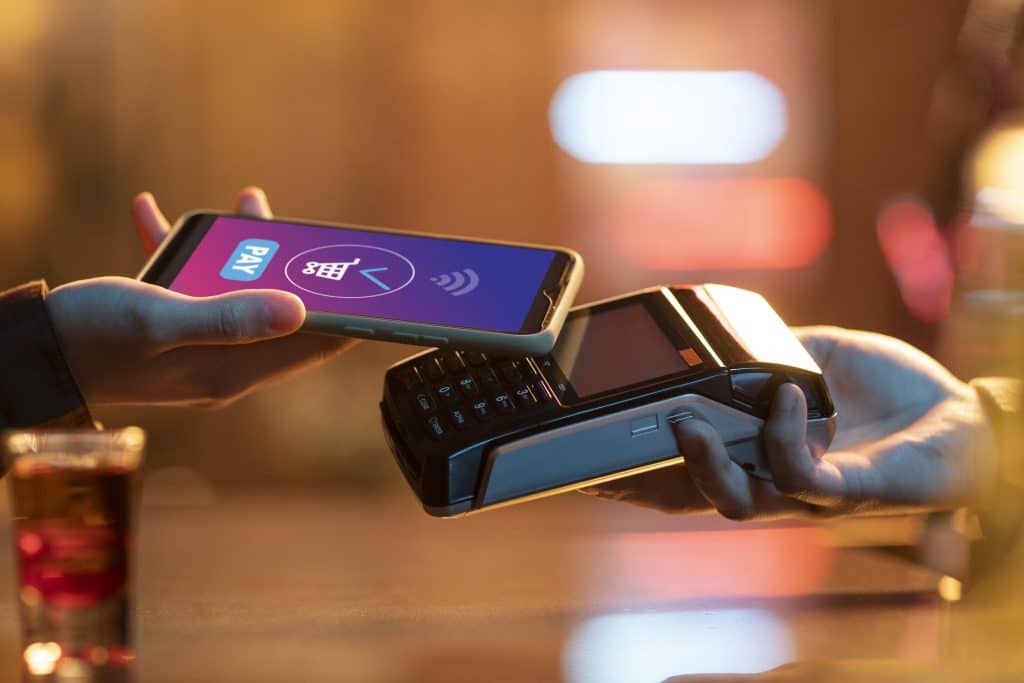
- Mobile wallets: Used on smartphones to make payments directly at stores or online.
- Web wallets: Accessible through web browsers, ideal for online shopping.
- Hardware wallets: Physical devices that store cryptocurrency offline, providing enhanced security.
With the rise in smartphone usage, mobile wallets have become increasingly popular. They allow users to pay for goods and services without carrying cash or credit cards.
But how do they work? When you link your bank account or credit card, the app generates a secure token for transactions, ensuring your actual card numbers remain protected.
Security is one of the main reasons users prefer digital wallets. Many provide advanced features such as biometric authentication (like fingerprints or facial recognition) and two-factor authentication. This means that if your phone gets lost, your payment information is less likely to be compromised.
How to get started
- Choose a digital wallet app that suits your needs.
- Download the app on your smartphone.
- Add your payment methods securely.
- Start making transactions!
In summary, understanding digital wallets is crucial as they continue to evolve our payment landscape. Their convenience and security features make them an attractive choice for many consumers.
Benefits of integrating credit cards
Enhancing security
One of the primary advantages of integrating credit cards into digital wallets is improved security. These platforms encrypt card details to protect them from fraud and unauthorized access.
When a purchase is made, the transaction often uses a secure token instead of the real card number. This process helps reduce the risk of sensitive information being exposed.
As a result, users can shop with greater confidence and protection. Tokenization and encryption work together to keep payment data safe during transactions.
Speed of transactions
With credit card integration, transactions become quicker than ever. Instead of fumbling for cash or entering card details each time, you can make payments with just a tap on your smartphone. This speed not only saves time but also makes the shopping experience more enjoyable.
- Convenience: Easily pay in-store or online without carrying physical cards.
- Track spending: Monitor your purchases and manage your budget more effectively.
- Rewards: Many credit card companies offer rewards for online purchases made through digital wallets.
Moreover, integrating credit cards into your digital wallet can help you keep track of your spending. Most wallets feature a dashboard that displays transaction history, making it easier to manage your budget.
This accessibility allows consumers to have a clearer view of their finances, potentially leading to smarter spending habits.
Accessibility for users
Another key benefit is accessibility. Users can access their preferred payment methods anytime, anywhere.
Whether you’re shopping online or in a physical store, having your credit card integrated ensures you don’t miss out on any opportunity to earn rewards or make a convenient purchase.
As digital wallets continue to evolve, the integration of credit cards represents a significant step toward more efficient and secure transactions.
Popular digital wallet options
There are several popular digital wallet options available today, each offering different features and advantages. These tools help users manage payments in a fast and secure way.
Digital wallets allow people to store card information safely on their devices. This makes online and in-store transactions quicker and more convenient.
As adoption grows, many platforms continue improving their services. Security features, ease of use, and compatibility are key factors driving their popularity.
1. PayPal
2. Apple Pay
3. Google Pay
Google Pay is another widely used digital wallet that enables users to make purchases online and in physical stores. It offers a convenient and flexible payment experience.
The platform supports multiple payment options, including credit cards, debit cards, and loyalty cards. This versatility allows users to manage different payment methods in one place.
Google Pay also integrates with various Google services, improving usability and accessibility. This integration helps create a smoother and more connected user experience.
4. Venmo
Venmo, owned by PayPal, focuses primarily on peer-to-peer payments. It is favored among younger users for splitting bills, sending money to friends, or making small purchases. With a social feed, it allows users to see transactions made by friends, adding a unique social aspect.
- 5. Cash App: Great for sending money quickly to friends and family.
- 6. Samsung Pay: Works with Samsung devices and is accepted at a wide range of retailers.
- 7. Zelle: Safe and simple option for bank-to-bank transfers.
As digital wallets continue to evolve, users have more options that can meet their specific needs. Each digital wallet offers a unique set of features, making it easier for users to choose one that fits their preferences.
Security features of digital wallets
Security features of digital wallets are essential for protecting user information and preventing fraud. As digital payments grow, understanding these protections becomes increasingly important.
Most digital wallets use encryption to safeguard sensitive payment data. This technology ensures that information remains protected during storage and transmission.
Additional measures like biometric authentication and tokenization further enhance security. Together, these features help create safer and more reliable digital transactions.
Encryption
One of the main security features of digital wallets is encryption. This technology converts user data into coded information that cannot be easily read by unauthorized parties.
During a transaction, the encrypted data is transmitted securely between the device and the payment network. This reduces the risk of sensitive financial details being intercepted.
As a result, users gain greater confidence when making digital payments. Encryption helps ensure that personal and financial information remains protected.
Two-Factor Authentication
Two-factor authentication (2FA) adds an extra layer of security, requiring users to provide two forms of identification before they can access their wallet.
Typically, this involves something you know (like a password) and something you have (like a smartphone).
This means even if someone obtains your password, they cannot access your wallet without your device.
Tokenization
Tokenization is another innovative security method used by digital wallets. Instead of sharing your actual credit card number, a unique token is generated for each transaction.
This token serves as a stand-in for your card information, ensuring that your sensitive data is not shared with merchants.
- Biometric security: Many wallets offer biometric authentication, like fingerprint scanning or facial recognition, for easy and secure access.
- Real-time notifications: Users receive alerts for any transactions made, helping them quickly identify unauthorized activity.
- Fraud protection: Many services provide features that monitor transactions for suspicious activity, enabling quick response to potential fraud.
As the digital landscape evolves, the security features of digital wallets also improve. This combination of advanced technologies helps users feel confident while making online and in-store purchases.
By understanding these security measures, consumers can make informed decisions and choose wallets that best protect their financial information.
How to set up credit card integration
Setting up credit card integration with digital wallets is a simple process that can improve how you manage payments. It allows users to make faster and more convenient transactions.
The first step usually involves downloading the digital wallet app on your device. After installing it, you can begin adding your credit card information.
Once your card is verified, it becomes available for secure payments. This setup enables quick purchases both online and in physical stores.
Step 1: Choose a Digital Wallet
Step 2: Download the App
Once you’ve chosen a digital wallet, download the application from your device’s app store. Make sure your internet connection is stable to avoid interruptions during the download.
After installation, open the app and follow the setup instructions. Most wallets will guide you through the process step by step.
This usually includes creating or signing into an account and preparing to add your payment methods. The process is designed to be quick and user-friendly.
Step 3: Create an Account
After installing the app, open it and create an account to begin the setup process. This typically requires basic personal details such as your name and email address.
You may also be asked to provide a phone number for verification purposes. This step helps confirm your identity and secure the account.
Be sure to choose a strong password to protect your information. A secure password adds an extra layer of protection to your digital wallet.
Step 4: Link Your Credit Card
Now it’s time to link your credit card. Navigate to the payment methods section of the app. You will typically find an option to add a new card.
Enter your credit card number, expiration date, and the CVV code. Most wallets will ask you to verify your card through a verification code sent to your phone or email, ensuring that you are the rightful cardholder.
- Step 5: Set Up Security Features: Enable security features like biometrics or two-factor authentication to protect your account.
- Step 6: Test Your Setup: Make a small purchase to test if your credit card is integrated properly.
- Step 7: Keep Your Info Updated: Regularly check to ensure that your card details are current.
By following these steps, you can easily set up credit card integration in your chosen digital wallet. This not only simplifies transactions but also enhances your overall shopping experience, allowing you to pay securely and conveniently.
Future trends in digital payments
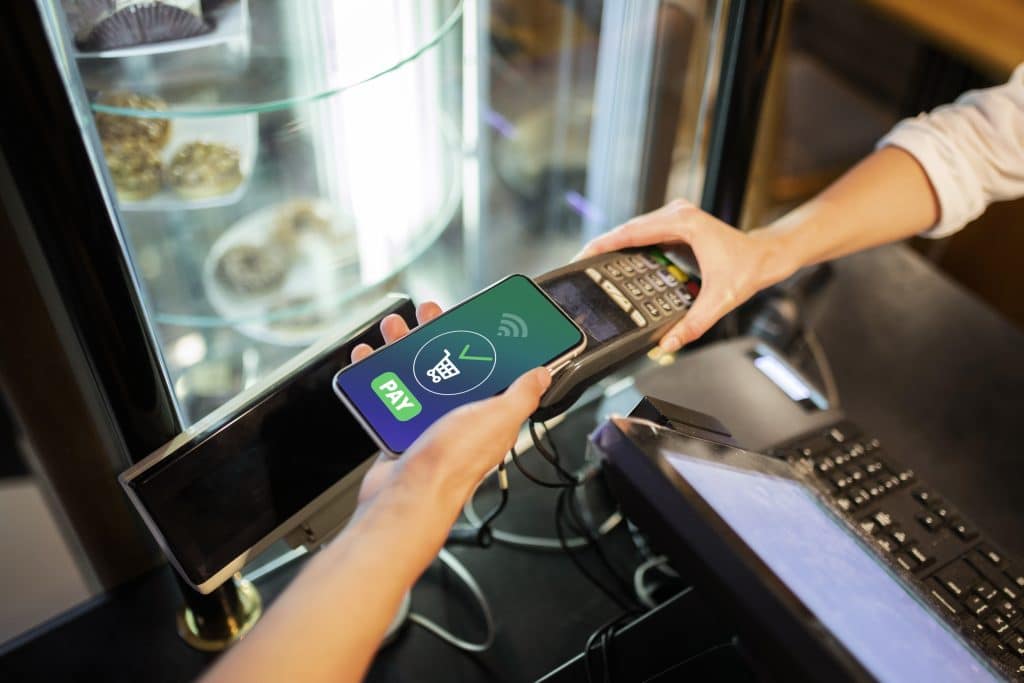
The future of digital payments is evolving rapidly as technology continues to advance. New innovations are expected to make transactions faster, safer, and more efficient.
Consumers are increasingly adopting mobile payments and contactless solutions. These trends reflect a growing demand for convenience in everyday financial activities.
As digital ecosystems expand, security technologies and payment integrations will continue improving. This evolution will shape how individuals and businesses manage transactions in the coming years.
Rise of Contactless Payments
Contactless payments are gaining popularity, allowing users to pay quickly by simply tapping their card or phone at a terminal.
This method is not only fast but also reduces physical contact, making it more appealing in today’s environment.
As more retailers adopt this technology, the use of contactless payments is likely to increase exponentially.
Growth of Mobile Wallets
Mobile wallets will continue to grow in usage as consumers seek more convenient payment methods.
Platforms like Apple Pay and Google Pay are leading the charge, with users preferring to pay using their smartphones instead of cash or cards.
The integration of rewards programs into these wallets also encourages users to adopt them for everyday purchases.
Cryptocurrency Integration
Another trend is the integration of cryptocurrencies into mainstream payment systems. As more businesses begin to accept cryptocurrencies, it opens doors for diverse payment options.
This trend may redefine how consumers think about and perform transactions, making digital currencies a viable alternative to traditional money.
- AI and Machine Learning: These technologies will enhance fraud detection and improve user experience in digital payments.
- Enhanced Security Measures: Expect more biometric options like facial recognition or fingerprints for secure payments.
- Blockchain Technology: Its potential for transparency and security can revolutionize payment systems across industries.
As digital payments evolve, we will likely see a push toward faster, more secure, and customer-friendly solutions.
Keeping up with these trends is crucial for both consumers and businesses, ensuring they remain competitive in a digital-first world.
FAQ – Frequently Asked Questions about Digital Payments
What are digital wallets?
Digital wallets are applications or services that allow users to store payment information securely and make transactions online or in-store with ease.
How do contactless payments work?
Contactless payments use NFC technology, allowing users to make transactions by simply tapping their card or smartphone at a compatible terminal.
Is it safe to use mobile wallets?
Yes, mobile wallets use encryption and security features like biometric authentication to protect your financial information during transactions.
What should I look for in a digital wallet?
Look for features like security measures, ease of use, rewards programs, and acceptance at multiple retailers when choosing a digital wallet.