Shoppable Video: 6-Month Roadmap for U.S. E-commerce Growth
Advertisements
U.S. e-commerce businesses can achieve a 15% sales boost within six months by strategically integrating shoppable video and interactive content, transforming passive viewing into direct purchasing opportunities.
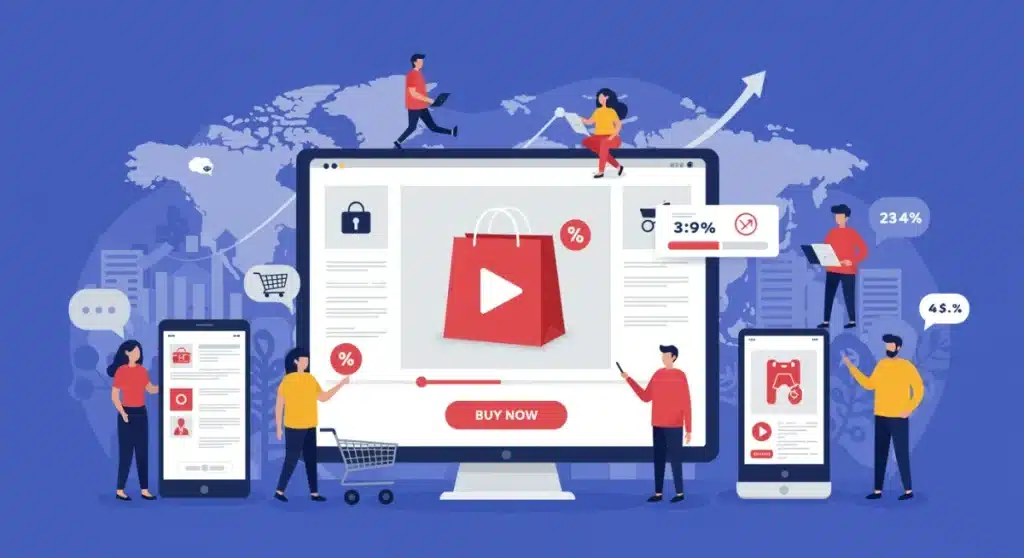
The landscape of online retail is constantly evolving, and staying ahead means embracing innovative technologies that captivate consumers and drive conversions. One such groundbreaking trend is the rise of shoppable video e-commerce, a powerful tool poised to revolutionize how U.S. businesses engage with their customers. This interactive content format transforms passive viewing into a dynamic, direct purchasing experience.
Advertisements
Understanding the Power of Shoppable Video
Shoppable video represents a significant leap forward from traditional product videos. It integrates direct purchasing capabilities within the video itself, allowing viewers to click on products featured in the content and add them to a cart or learn more, all without leaving the video player. This seamless experience minimizes friction in the customer journey and significantly enhances engagement, making it an indispensable tool for modern e-commerce.
The appeal of shoppable video lies in its ability to combine entertainment with immediate utility. Consumers are increasingly seeking personalized and immersive shopping experiences. By presenting products in a dynamic, visual context—whether through product demonstrations, lifestyle content, or live streams—shoppable video addresses this demand, fostering a deeper connection between the brand and its audience. This direct interaction not only improves conversion rates but also provides valuable data on customer preferences and behavior.
Why interactive content matters for sales
Interactive content, particularly shoppable video, fundamentally changes the consumer’s role from passive observer to active participant. This engagement is crucial for several reasons:
- Increased Time on Site: Interactive elements keep users engaged longer, reducing bounce rates.
- Enhanced Product Understanding: Viewers can explore products in detail, leading to more informed purchasing decisions.
- Higher Conversion Rates: The direct path to purchase reduces steps, making impulse buys more likely.
- Improved Brand Recall: Memorable interactive experiences strengthen brand loyalty and recognition.
Moreover, the data collected from interactive content provides invaluable insights into customer preferences, pain points, and purchasing triggers. This information can then be used to refine marketing strategies, optimize product offerings, and personalize future interactions, creating a virtuous cycle of improvement and growth for U.S. e-commerce businesses.
Month 1-2: Foundation and Strategy Development
The initial phase of implementing a shoppable video strategy is critical for laying a strong foundation. This period focuses on understanding your audience, defining clear objectives, and selecting the right technological partners. A well-defined strategy at this stage will ensure that subsequent efforts are aligned with your overall business goals and resonate effectively with your target market.
During these first two months, it’s essential to conduct thorough market research to identify key trends and competitor activities in the shoppable video space. Understanding what works and what doesn’t for similar businesses can provide valuable lessons and help refine your unique approach. This research should also inform your content strategy, ensuring that the videos you produce are relevant and compelling to your specific customer base.
Defining your target audience and content themes
Before creating any video content, a deep understanding of your target audience is paramount. What are their interests, their purchasing habits, and their preferred platforms? Answering these questions will guide your content themes and video styles.
- Demographic Analysis: Age, location, income, and education levels.
- Psychographic Insights: Interests, values, lifestyle, and buying motivations.
- Platform Preferences: Where does your audience consume video content? Instagram, TikTok, YouTube, or proprietary platforms?
- Content Themes: Based on audience insights, what topics or product categories will resonate most? Tutorials, unboxing videos, live Q&As, or behind-the-scenes content?
This detailed audience profile will enable the creation of highly targeted and effective shoppable video content. It also helps in selecting the right influencers or brand ambassadors who can authentically connect with your audience, further amplifying the reach and impact of your campaigns. The goal is to create content that not only showcases products but also tells a compelling story that aligns with consumer aspirations.
Selecting the right shoppable video platform
Choosing the appropriate shoppable video platform is a pivotal decision. Various solutions offer different features, integration capabilities, and pricing models. Your choice should align with your budget, technical resources, and desired level of interactivity.
- Platform Features: Look for features like in-video tagging, analytics, live streaming capabilities, and CRM integration.
- Ease of Integration: How easily can the platform integrate with your existing e-commerce store (e.g., Shopify, Magento)?
- Scalability: Can the platform grow with your business as your shoppable video efforts expand?
- Support and Training: Does the vendor offer adequate support and resources to help your team succeed?
Investing time in evaluating these platforms will prevent costly mistakes down the line. A robust platform will streamline content creation, deployment, and performance tracking, allowing your team to focus on creative execution and strategic optimization. The right platform acts as the backbone of your shoppable video strategy, ensuring a smooth and engaging user experience.
Month 3-4: Content Creation and Initial Launch
With the strategy in place and platform selected, months three and four are dedicated to bringing your shoppable video vision to life. This involves producing high-quality video content and executing the initial launch. The focus shifts from planning to execution, ensuring that the content is not only engaging but also seamlessly integrated with your e-commerce platform.
This phase requires a concerted effort from your creative and marketing teams. Attention to detail in video production, from scripting to editing, is crucial for creating a professional and polished final product. Remember, the quality of your video content directly reflects on your brand, so strive for excellence in every aspect of production.
Producing engaging shoppable video content
The effectiveness of shoppable video hinges on its ability to captivate viewers. This means producing content that is not only visually appealing but also informative and entertaining. Consider various formats to keep your audience engaged.
- Product Demonstrations: Showcase products in action, highlighting key features and benefits.
- Lifestyle Videos: Integrate products into relatable scenarios, demonstrating how they fit into customers’ lives.
- Behind-the-Scenes: Offer a glimpse into your brand’s story or product development process, building authenticity.
- User-Generated Content (UGC): Encourage customers to submit their own videos featuring your products, fostering community and trust.
Beyond the format, focus on storytelling. A compelling narrative can make even the most mundane product exciting. Work with experienced videographers and editors to ensure high production value. Clear audio, good lighting, and dynamic camera work are essential for maintaining viewer interest and conveying professionalism. Remember to keep videos concise and to the point, as attention spans online are often short.

Integrating shoppable elements and calls to action
Once your video content is produced, the next step is to integrate the shoppable elements seamlessly. This involves tagging products within the video and strategically placing calls to action (CTAs) that guide viewers towards purchase.
The goal is to make the purchasing process as intuitive as possible. Product tags should be non-intrusive but easily discoverable. CTAs should be clear, concise, and compelling, encouraging immediate action.
- In-Video Product Tags: Allow viewers to click on products directly within the video player for more information or to add to cart.
- Overlay CTAs: Place buttons or links that appear at strategic moments, prompting viewers to ‘Shop Now’ or ‘Learn More.’
- Pop-up Offers: Consider timed pop-ups with special discounts to create urgency.
- Personalized Recommendations: Leverage data to offer related products based on viewer interactions.
Testing different placements and designs for your shoppable elements is crucial. A/B testing can help determine which CTAs and tagging methods perform best with your audience. The ultimate aim is to create a frictionless shopping experience that maximizes conversions and minimizes buyer hesitation. Ensure that your e-commerce backend is robust enough to handle increased traffic and transactions resulting from successful shoppable video campaigns.
Month 5-6: Optimization and Scaling for 15% Sales Boost
The final two months of this roadmap are dedicated to analyzing performance, optimizing your strategies, and scaling your shoppable video efforts to achieve the ambitious 15% sales boost. This iterative process of review and refinement is essential for long-term success in the dynamic world of e-commerce. It’s not enough to simply launch; continuous improvement is key.
During this period, focus on data-driven decision-making. Leverage the analytics provided by your shoppable video platform and e-commerce system to understand what’s working well and where there are opportunities for improvement. This might involve tweaking video content, adjusting CTA placements, or exploring new distribution channels.
Analyzing performance metrics and user behavior
Data is your most valuable asset in optimizing shoppable video campaigns. Closely monitor a range of metrics to gain a comprehensive understanding of performance.
- View-Through Rate: How many viewers complete the entire video?
- Click-Through Rate (CTR): How many viewers click on shoppable elements?
- Conversion Rate: What percentage of clicks lead to a purchase?
- Average Order Value (AOV): Are shoppable videos influencing customers to buy more?
- Engagement Metrics: Likes, shares, comments, and time spent interacting with the video.
- Heatmaps and Click Maps: Visualize where users are clicking within your videos.
Beyond quantitative data, consider qualitative feedback. Conduct surveys or focus groups to understand viewer perceptions and suggestions. Analyzing user behavior patterns can reveal insights into content preferences, optimal video lengths, and the most effective types of interactive elements. This holistic view allows for targeted adjustments that can significantly impact your sales figures.
Iterative optimization and A/B testing
Optimization is an ongoing process. Based on your performance analysis, implement iterative changes and rigorously test their impact. Small adjustments can often lead to significant gains over time.
- A/B Test Video Content: Experiment with different video styles, lengths, and narratives.
- CTA Variations: Test different button texts, colors, and placements.
- Product Tagging Strategies: Determine the optimal number and placement of product tags.
- Landing Page Optimization: Ensure that the pages users land on after clicking a shoppable element are highly optimized for conversion.
- Personalization: Explore ways to personalize video content or shoppable offers based on user data.
Remember that the goal is not just to increase clicks but to drive actual sales. Every optimization effort should be aimed at improving the conversion funnel from video view to purchase completion. Document your tests and their results to build a knowledge base that informs future campaigns. This systematic approach to optimization is what truly unlocks the potential of shoppable video for a sustained 15% sales boost.
Leveraging Live Shoppable Video for Real-Time Engagement
Live shoppable video offers an unparalleled opportunity for real-time engagement, replicating the in-store shopping experience in a digital format. This dynamic approach allows brands to interact directly with their audience, answer questions, and showcase products in an authentic and immediate way, driving impulse purchases and building strong community connections.
The immediacy of live video creates a sense of urgency and exclusivity, encouraging viewers to act quickly. When combined with interactive elements, live shoppable video becomes a powerful sales channel. It’s particularly effective for new product launches, flash sales, or special events where direct interaction can significantly amplify interest and conversions.
Benefits of live shoppable experiences
Integrating live shoppable video into your strategy brings a host of advantages that can directly contribute to your sales growth targets:
- Instant Feedback and Q&A: Address customer queries in real-time, building trust and clarifying product details.
- Increased Authenticity: Live content often feels more genuine and less produced, fostering a stronger connection with viewers.
- Urgency and FOMO: Limited-time offers or product availability during a live stream can drive immediate purchases.
- Community Building: Interactive chat features allow viewers to connect with each other and the brand, creating a loyal community.
- Higher Conversion Rates: The direct engagement and immediate call to action often result in superior conversion rates compared to pre-recorded video.
Furthermore, live events generate excitement and anticipation, which can be leveraged through pre-event marketing campaigns. Promoting your live shoppable sessions across social media and email channels can draw a larger audience, maximizing the impact of each broadcast. Post-event, the recorded live stream can still be used as on-demand shoppable content, extending its value.
Best practices for successful live streams
To maximize the impact of your live shoppable video events, adhere to these best practices:
- Plan Thoroughly: Script key talking points, product demonstrations, and interactive segments.
- Technical Check: Ensure stable internet, high-quality audio and video equipment, and a reliable streaming platform.
- Engage with Viewers: Actively respond to comments and questions in the chat. Call out viewers by name to foster a personal connection.
- Clear CTAs: Frequently remind viewers how to shop the products featured and highlight any special live-only offers.
- Promote in Advance: Announce your live streams across all your marketing channels to build anticipation.
- Post-Stream Follow-up: Share the recorded session and continue to engage with viewers who couldn’t attend live.
By focusing on these elements, U.S. e-commerce businesses can transform live video from a simple broadcast into a highly effective, interactive sales tool. The genuine interaction and immediate gratification offered by live shoppable video are powerful drivers for achieving and even exceeding sales growth targets, making it a cornerstone of a modern digital marketing strategy.
Integrating Shoppable Video Across Marketing Channels
To truly maximize the impact of shoppable video, it must be seamlessly integrated across all relevant marketing channels. A fragmented approach will limit its reach and effectiveness. The goal is to create a cohesive experience where customers can discover and interact with your shoppable content wherever they engage with your brand, whether on social media, email, or your website.
This multi-channel integration not only amplifies your message but also caters to diverse consumer behaviors. Some customers may prefer discovering products on social platforms, while others might engage more deeply through email campaigns or direct website visits. By making shoppable video accessible across these touchpoints, you increase the likelihood of conversion and reinforce brand presence.
Social media and influencer collaborations
Social media platforms are natural homes for shoppable video, given their visual nature and emphasis on short-form content. Partnering with influencers can further extend your reach to highly engaged audiences.
- Instagram Shopping: Leverage Instagram Reels, Stories, and Live Shopping features to embed shoppable links.
- TikTok Shop: Utilize TikTok’s growing e-commerce capabilities for short, viral shoppable videos.
- YouTube Shopping: Integrate shoppable elements into product reviews, tutorials, and unboxing videos on YouTube.
- Influencer Marketing: Collaborate with influencers who align with your brand values and have an engaged following relevant to your target audience. They can create authentic shoppable content that resonates deeply.
When working with influencers, ensure clear guidelines regarding product tagging and call-to-action implementation. Authenticity is key; consumers are more likely to trust recommendations from genuine voices. Track the performance of influencer-generated shoppable content to identify the most effective partnerships and refine your strategy for future collaborations. The virality potential of social media, combined with the direct purchasing power of shoppable video, creates a potent marketing mix.
Email marketing and website integration
Beyond social media, shoppable video can significantly enhance the effectiveness of your email marketing campaigns and website experience. These channels offer more controlled environments for deeper engagement.
- Embedded Email Videos: While direct embedding can be tricky, link to shoppable videos from your email campaigns with compelling thumbnails and clear CTAs.
- Interactive Landing Pages: Direct email recipients to dedicated landing pages featuring shoppable videos and related products.
- Product Pages: Replace static product images with shoppable videos that demonstrate features and benefits, particularly for complex or high-value items.
- Homepage and Category Pages: Feature hero shoppable videos on your homepage or key category pages to immediately capture attention and drive exploration.
- Blog Content: Integrate shoppable videos into blog posts that offer product reviews, guides, or lifestyle inspiration, turning informational content into direct sales opportunities.
The integration of shoppable video into your owned channels allows for a more controlled brand experience and deeper analytics. By strategically placing shoppable content where your customers are already engaging, you create a seamless and highly effective path to purchase, contributing significantly to your overall sales objectives. This comprehensive approach ensures that every touchpoint becomes a potential sales opportunity.
Future Trends and Sustaining Growth
As U.S. e-commerce continues its rapid evolution, staying abreast of emerging trends in shoppable video and interactive content is crucial for sustaining long-term growth. The technology is constantly advancing, offering new ways to engage customers and drive conversions. Brands that embrace innovation will maintain a competitive edge and continue to capture market share.
Looking ahead, expect to see more sophisticated integrations and personalized experiences. The ability to leverage AI and machine learning to tailor video content and product recommendations in real-time will become increasingly important. Staying agile and willing to experiment with new formats and technologies will be key to future success.
AI, VR, and AR in shoppable experiences
The convergence of artificial intelligence (AI), virtual reality (VR), and augmented reality (AR) with shoppable video promises even more immersive and personalized shopping experiences:
- AI-Powered Personalization: AI can analyze viewing habits and purchase history to recommend highly relevant shoppable videos and product suggestions.
- Virtual Try-On (AR): Augmented reality allows customers to virtually ‘try on’ products (e.g., clothing, makeup, furniture) within a shoppable video environment before making a purchase.
- Virtual Showrooms (VR): VR can create entirely immersive virtual showrooms where customers can explore products in a 3D environment, interacting with them as if they were physically present.
- Dynamic Content Generation: AI can assist in generating multiple versions of shoppable videos tailored to different audience segments or showing products in various contexts.
These technologies are not just futuristic concepts; they are rapidly becoming accessible and affordable for e-commerce businesses. Investing in exploring and piloting these innovations can position your brand as a leader in interactive retail, attracting tech-savvy consumers and creating truly memorable shopping journeys. The ability to bridge the gap between the digital and physical shopping experience will be a significant differentiator.
Building a long-term interactive content strategy
Achieving a 15% sales boost within six months is an excellent start, but the real challenge lies in sustaining and building upon that growth. A long-term interactive content strategy is essential for continuous success.
- Content Calendar: Develop a rolling content calendar that plans for new shoppable video releases, live events, and seasonal campaigns.
- Customer Feedback Loop: Continuously gather and act on customer feedback to refine your content and interactive experiences.
- Talent Development: Invest in training your team or hiring talent with expertise in video production, interactive design, and data analytics.
- Partnerships: Forge strategic partnerships with technology providers, influencers, and content creators to stay at the forefront of innovation.
- Budget Allocation: Consistently allocate resources for interactive content, recognizing its long-term value as a sales driver.
A proactive approach to content strategy ensures that your brand remains relevant and engaging. By continuously experimenting with new formats, technologies, and distribution channels, U.S. e-commerce businesses can not only maintain but also accelerate their sales growth, solidifying their position in an increasingly competitive digital marketplace. The journey of shoppable video is one of continuous discovery and adaptation, promising exciting opportunities for those willing to embrace its full potential.
| Key Aspect | Brief Description |
|---|---|
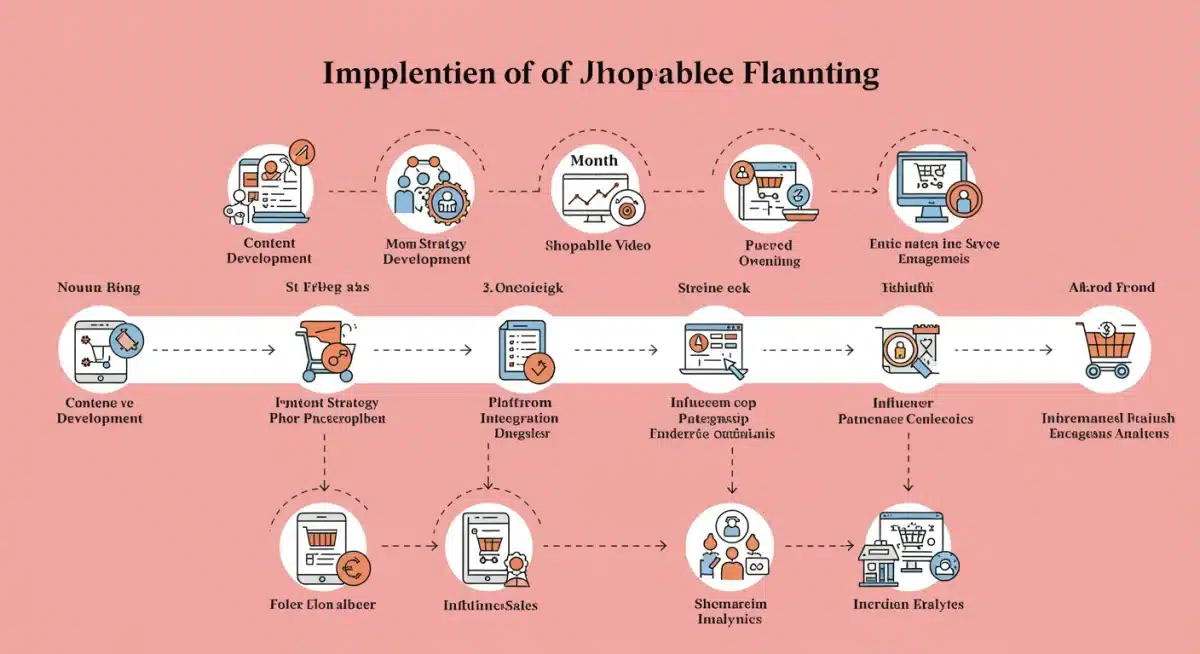
| Strategic Foundation | Months 1-2 focus on audience analysis, objective setting, and platform selection for shoppable video. |
| Content & Launch | Months 3-4 involve producing engaging videos and integrating shoppable elements for initial deployment. |
| Optimization & Scaling | Months 5-6 are dedicated to performance analysis, A/B testing, and scaling for sustained sales growth. |
| Interactive Growth | Embracing live streams, AI, AR, and VR ensures continuous engagement and competitive advantage. |
Frequently Asked Questions About Shoppable Video
Shoppable video integrates direct purchasing capabilities within a video, allowing viewers to click on featured products to learn more or buy them without leaving the video player. It transforms passive viewing into an interactive shopping experience, streamlining the path to purchase for consumers.
By minimizing friction in the buying process, increasing engagement, and providing detailed product context, shoppable video drives higher conversion rates. A strategic 6-month roadmap, focusing on content quality, platform integration, and continuous optimization, can realistically lead to a 15% sales increase.
The initial two months focus on foundational work: defining your target audience, setting clear objectives, and evaluating and selecting the most suitable shoppable video platform. This strategic planning ensures that subsequent content creation and launch phases are effective and aligned with business goals.
Live shoppable video offers real-time interaction, allowing brands to answer questions instantly and create a sense of urgency. This immediacy builds authenticity and fosters community, driving impulse purchases and significantly boosting engagement and conversion rates during live events.
These technologies enable more immersive and personalized shopping. AI offers tailored recommendations, AR allows virtual try-ons, and VR creates virtual showrooms. They transform how customers interact with products, bridging the digital-physical gap and significantly enriching the shoppable video experience.
Conclusion
The journey to leveraging shoppable video for a significant sales boost in U.S. e-commerce is not merely about adopting a new technology; it’s about embracing a paradigm shift in customer engagement. By meticulously following a 6-month roadmap, businesses can strategically plan, create compelling interactive content, and continuously optimize their approach. The fusion of engaging video with direct purchasing capabilities transforms the consumer experience, fosters deeper brand connections, and ultimately drives measurable growth. As the digital market evolves, those who master the art of shoppable video and interactive content will undoubtedly lead the way, securing a competitive edge and sustained success in an increasingly dynamic retail landscape.